

 Continuing Appropriations and Extensions Act, 2027 (HR 6500) – This appropriations bill was finalized and passed by both the House and the Senate on Sept. 1. The act funds the fiscal year 2027 government budget through Dec. 11 at current levels. It was signed by the president on Sept. 2.
Prison Staff Safety Enhancement Act (S 307) – This bill is designed to address sexual harassment and sexual assault of Bureau of Prisons correctional officers and other staff by incarcerated prisoners. Specifically, it details national standards for the prevention, reduction and punishment of perpetrators. The legislation was introduced by Sen. Marsha Blackburn (R-TN) on Jan. 29, 2025. It passed in the Senate on April 29, 2025; in the House on Aug. 31; and was enacted by the president on Sept. 16.
Retire through Ownership Act (S 2403) – Introduced by Sen. Roger Marshall (R-KS) on July 23, 2025, this bill amends the Employee Retirement Income Security Act of 1974. ESOPs are Employee Stock Ownership Plans that enable employees to accrue shares of their employers’ stock as part of a pension plan, in which they receive the cash value of their shares upon retirement. This bill clearly defines how a good faith valuation should be determined by independent professional appraisers, based on IRS Revenue Ruling 59-60 to value privately held stock. In the past, ambiguous valuation methods have resulted in litigation. This act passed in the Senate on October 9, 2025, and in the House on Sept. 16. It currently awaits the president’s signature.
Lindsey O. Graham Sanctioning Russia and Iran Act of 2026 (HR 5334) – This largely bipartisan act was championed by the late Sen. Lindsey Graham (R-SC). The legislation imposes a variety of sanctions, tariffs and prohibitions related to Russia and Iran, and explicitly prohibits U.S. persons from making new investments in Russia. It also expands the tax deduction for early childhood education teachers for classroom expenses. The bill was introduced on Sept. 11, 2025, by Rep. Jimmy Panetta (D-CA). It passed in the House on April 27 and in the Senate on Aug. 7, with final changes agreed upon on Sept. 16. The president signed the bill into law a day later.
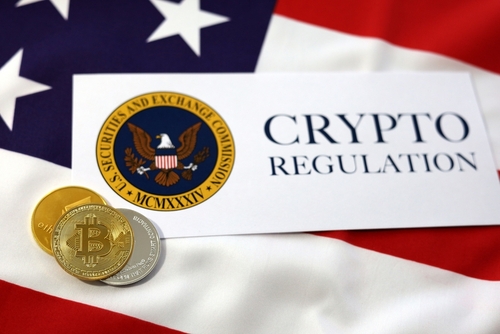
Digital Asset Market Clarity Act (HR 3633) – Known as The Clarity Act, the purpose of this Trump Administration-backed bill is to implement the first regulations for the crypto sector. The bill was introduced by Rep. French Hill (R-AR) on May 29, 2025. It passed in the House on July 17, 2025. However, opponents of the bill say the industry-led standards are far too lenient and do not provide enough safeguards. The bill recently failed in the Senate after a party-line cloture vote, which means the debate ended before the floor could vote on the bill (considered a filibuster). The cloture vote does not rule out the Senate trying again at a later date.
Ratepayer Protection Act (HR 9340) – In an effort to rein in AI data center utility costs, this bill would require state utilities to consider adopting standards to ensure cost recovery for the generation, transmission and distribution services of large-load electricity customers. This high-stakes, bipartisan issue comes ahead of the midterm elections in an effort to assure voters that local data centers will not ramp up local resident utility bills. The legislation was introduced by Rep. Gabe Evans (R-CO) on June 18. It passed in the House on Sept. 16 and currently resides in the Senate.
Stopping Political Discrimination in Disaster Assistance Act (HR 1342) – Current law states that federal major disaster emergency relief and assistance must be provided without discrimination on the basis of race, color, religion, nationality, sex, age, disability, English proficiency or economic status. The bill, introduced by Rep. Scott Perry (R-PA) on Feb. 13, 2025, would add political affiliation protection under this requirement. The act passed in the House on Sept. 16 and awaits consideration in the Senate.